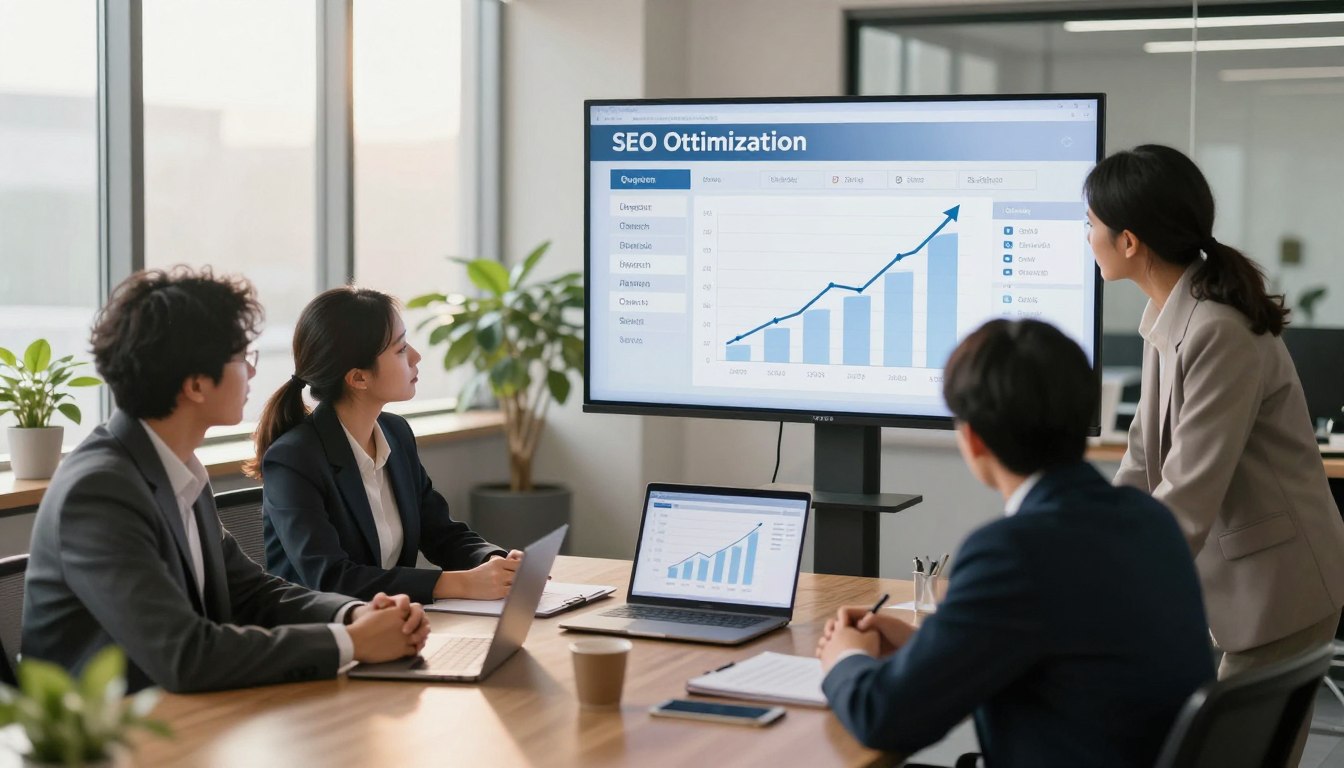
In today’s digital landscape, having a strong online presence is crucial for businesses and websites. One key factor in achieving this is through effective Search Engine Optimization (SEO), which enhances your visibility in organic search results.
By optimizing your website for organic search, you can increase your website’s credibility and drive more targeted traffic to your site. This, in turn, can lead to higher conversion rates and ultimately, more sales.
Understanding the importance of SEO and how it impacts your online presence is vital. By leveraging the power of organic search, businesses can stay ahead of the competition and reach their target audience more effectively.
The Fundamentals of Organic Search
In the digital landscape, organic search plays a pivotal role in how businesses are discovered online. It’s a critical component of a successful digital marketing strategy.
Definition and How It Differs from Paid Search
Organic search refers to the process of obtaining website traffic through search engine results that are not paid for. Unlike paid search, which involves advertisers paying for their ads to appear on search engine results pages (SERPs), organic search is earned through the relevance and quality of a website’s content, structure, and overall user experience.
Why Organic Search Matters in Today’s Digital Landscape
Organic search is vital for businesses because it directly impacts their online visibility and credibility. Here are a few reasons why:
Consumer Trust Statistics
Consumers tend to trust organic search results more than paid advertisements. Studies have shown that the majority of users ignore paid ads and focus on the organic results, perceiving them as more relevant and trustworthy.
Long-Term Value Proposition
Investing in organic search provides a long-term value proposition. By optimizing your website for search engines, you can achieve sustained visibility and traffic over time, unlike paid search which stops delivering results once the payment ceases.
By understanding and leveraging the fundamentals of organic search, businesses can enhance their online presence, build consumer trust, and achieve a long-term online marketing strategy.
The Benefits of Organic Search for Your Business
By leveraging organic search, businesses can experience significant growth and improved online visibility. Organic search is a highly effective way to increase your online presence and drive long-term results.
Cost-Effectiveness and ROI
One of the primary benefits of organic search is its cost-effectiveness. Unlike paid advertising, organic search does not require a constant influx of money to maintain visibility. This leads to a higher Return on Investment (ROI) as the cost per click is essentially zero once your content is ranked.
Building Brand Authority and Credibility
Organic search helps in building brand authority and credibility. When your website appears at the top of search engine results, users perceive your brand as trustworthy and authoritative in your industry. This credibility can lead to increased brand loyalty and customer trust.
Sustainable Traffic Growth Over Time
Organic search drives sustainable traffic growth over time. As your content continues to rank well, you can expect a steady stream of visitors to your site. This consistent flow of traffic can lead to long-term business growth and stability.
Case Studies of Successful Organic Search Strategies
Several businesses have seen significant success through organic search strategies. For example, a study by HubSpot found that companies that blog regularly see a 55% increase in website traffic. Another case study by Moz highlighted how a well-optimized website can increase organic traffic by over 200% in just a few months.
Understanding How Search Engines Work
Search engines operate through a series of intricate processes that enable them to crawl, index, and rank web content effectively. To improve a website’s visibility, it’s crucial to understand these processes.
Crawling, Indexing, and Ranking Processes
The journey of a webpage in search engine results begins with crawling, where search engine bots discover and scan content. This is followed by indexing, where the crawled content is analyzed and stored in massive databases. Finally, ranking occurs, where algorithms determine the order of search results based on relevance and other factors.
Google’s Algorithm: Key Ranking Factors
Google’s algorithm is the backbone of its search functionality, incorporating numerous factors to rank webpages. Understanding these factors is key to optimizing a website’s search engine performance.
E-A-T (Expertise, Authoritativeness, Trustworthiness)
E-A-T is a critical component of Google’s algorithm, assessing the credibility and reliability of online content. Websites demonstrating high E-A-T are more likely to rank higher in search results.
- Ensure content is written by experts or those with relevant knowledge.
- Establish authoritativeness through high-quality, relevant content.
- Build trust by providing accurate, up-to-date information.
Core Web Vitals and User Experience Signals
Core Web Vitals are a set of metrics that assess user experience, focusing on aspects like page load times, interactivity, and visual stability. Optimizing for these vitals can significantly improve a website’s ranking potential.
- Improve page load times to enhance user experience.
- Ensure interactive elements respond quickly to user input.
- Minimize layout shifts to maintain visual stability.
By understanding and optimizing for these key aspects of how search engines work, businesses can significantly enhance their online visibility and search engine rankings.
Keyword Research: The Foundation of Organic Search Success
Organic search success starts with a deep understanding of keyword research principles. It’s the process of identifying the words and phrases your target audience uses when searching for information, products, or services related to your business.
Finding the Right Keywords for Your Business
To find the right keywords, you need to understand your business goals, target audience, and the language they use. This involves brainstorming a list of relevant terms, analyzing competitors, and using keyword research tools to identify potential keywords.
Understanding Search Intent Categories
Search intent refers to the reason behind a user’s search query. Understanding the different categories of search intent is crucial for effective keyword research.
Informational vs. Transactional Keywords
Informational keywords are used when users are seeking information or answers to specific questions. On the other hand, transactional keywords indicate a user’s intent to make a purchase or take a specific action. Identifying whether your target keywords are informational or transactional helps in creating content that meets the user’s needs.
Tools and Techniques for Effective Keyword Research
Several tools and techniques can aid in effective keyword research. These include Google Keyword Planner, Ahrefs, SEMrush, and Moz Keyword Explorer. Techniques involve analyzing search volume, competition, and using long-tail keywords to target specific search queries.
By combining these tools and techniques, businesses can develop a robust keyword research strategy that enhances their organic search visibility.
On-Page SEO Optimization Techniques
To rank higher in search engine results, mastering on-page SEO optimization is essential. This involves several key strategies that help search engines understand and rank your content effectively.
Title Tags and Meta Descriptions
Title tags are crucial as they define the title of a page and are displayed in search engine results. Ensuring they are descriptive, include target keywords, and are under 60 characters is vital. Meta descriptions, on the other hand, provide a summary of the page content and should be compelling, include target keywords, and be under 160 characters to avoid truncation.
Content Structure and Heading Optimization
A well-structured content layout improves readability and SEO. Using header tags (H1, H2, H3) helps organize content and highlights important sections for search engines.
Internal Linking Strategies
Internal linking aids in navigating your site and distributing link equity. Anchor text should be descriptive and relevant.
Anchor Text Best Practices
Using varied and descriptive anchor text for internal linking enhances user experience and SEO.
Image Optimization for Search
Optimizing images involves using descriptive file names, alt tags
Creating High-Quality Content That Ranks in Organic Search
To rank well in organic search, it’s crucial to create high-quality content that resonates with your target audience. This involves understanding their needs, preferences, and search behaviors.
Understanding and Fulfilling Search Intent
Understanding search intent is fundamental to creating content that ranks. It’s about identifying what users are looking for when they enter specific queries and tailoring your content to meet those needs. Content that aligns with search intent is more likely to be ranked higher by search engines.
Content Depth, Accuracy, and Freshness
Content depth, accuracy, and freshness are critical factors in determining the quality of your content. Regularly updating your content ensures it remains relevant and continues to meet the evolving needs of your audience. Depth and accuracy are equally important, as they establish your authority on the subject matter.
Content Formats That Perform Well in Search Results
Different content formats perform differently in search results. Understanding which formats work best for your content is key.
Long-Form Guides and Resources
Long-form guides and resources are highly valued in organic search. They provide comprehensive information on a topic, making them a valuable resource for users. These formats often rank well because they satisfy the user’s search intent thoroughly.
Visual Content Optimization
Visual content, such as images and videos, can significantly enhance your content’s appeal and engagement. Optimizing visual content with relevant keywords and descriptions can improve its visibility in search results.
By focusing on these aspects, you can create high-quality content that not only ranks well in organic search but also provides value to your audience.
Technical SEO: Building a Strong Foundation
Technical SEO is the backbone of a successful online presence, ensuring that search engines can crawl, index, and rank your website effectively. A well-optimized website not only improves user experience but also significantly enhances your search engine rankings.
Site Speed and Performance Optimization
Site speed is a critical factor in both user experience and search engine rankings. Optimizing images, leveraging browser caching, and minifying CSS and JavaScript files are some of the techniques used to improve site speed. Ensuring that your website loads quickly, especially on mobile devices, is crucial for retaining visitors and improving your search engine rankings.
Mobile-First Indexing Considerations
With the majority of searches now coming from mobile devices, Google’s mobile-first indexing means that the mobile version of your website is considered the primary version. Ensuring that your website is mobile-friendly, with responsive design and fast loading times, is essential for technical SEO success.
Structured Data and Schema Markup
Structured data and schema markup help search engines understand the content and context of your website. By adding schema markup to your HTML, you can enhance your search engine listings with rich snippets, improving click-through rates and providing users with more information about your content.
Fixing Common Technical SEO Issues
Common technical SEO issues can significantly hinder your website’s performance in search engine rankings. Two major issues are crawlability problems and duplicate content.
Crawlability Problems
Crawlability issues occur when search engines have difficulty crawling and indexing your website’s pages. Fixing broken links, optimizing robots.txt, and ensuring proper internal linking can help resolve these issues.
Duplicate Content
Duplicate content can confuse search engines and dilute your website’s ranking potential. Using canonical URLs and avoiding duplicated content across different pages can help mitigate this issue.
By addressing these technical SEO aspects, you can build a strong foundation for your website, improving both user experience and search engine rankings.
Off-Page SEO and Link Building Strategies
Effective off-page SEO strategies, including ethical link building, can significantly boost your website’s authority and search engine rankings. Off-page SEO refers to the actions taken outside of your website to impact your rankings within search engine results pages (SERPs).
Why Backlinks Matter for Organic Search Rankings
Backlinks, or incoming links from other websites, are a crucial ranking factor for search engines like Google. They indicate to search engines that your content is valuable and worthy of citation. A strong backlink profile can significantly improve your website’s visibility and credibility.
- Backlinks from authoritative sites can enhance your website’s trustworthiness.
- A diverse backlink profile with links from various domains is more effective than links from a single source.
- The relevance of the linking site to your content also plays a significant role in how valuable the backlink is considered.
Ethical Link Building Techniques
Ethical link building involves acquiring backlinks through legitimate means that add value to your website and its users. Content-driven link acquisition and relationship-based outreach are two effective strategies.
Content-Driven Link Acquisition
Creating high-quality, informative, and engaging content is key to attracting backlinks naturally. This can include in-depth guides, original research, and infographics that other websites find valuable enough to link to.
Relationship-Based Outreach
Building relationships with influencers, bloggers, and other relevant websites in your niche can lead to opportunities for guest posting and acquiring backlinks. Personalized outreach efforts are more likely to yield positive results.
Monitoring and Evaluating Your Backlink Profile
Regularly monitoring your backlink profile is essential to ensure that your link building efforts are effective and to identify any potential issues, such as toxic backlinks. Tools like Ahrefs and Moz can help in tracking your backlinks and analyzing their quality.
Local SEO: Dominating Organic Search in Your Area
In today’s digital landscape, local SEO is vital for businesses seeking to attract local customers. By optimizing your online presence for local search, you can increase foot traffic, boost sales, and outshine competitors.
Google Business Profile Optimization
A well-optimized Google Business Profile is crucial for local SEO success. Ensure your profile is complete, accurate, and up-to-date, including your business name, address, phone number, and hours of operation. Respond promptly to customer reviews and use the profile’s features to share updates and offers.
Local Content Creation Strategies
Creating content relevant to your local audience can significantly enhance your local SEO. Develop content that addresses local needs, interests, and events. This can include blog posts about local topics, guides to local services, or news about your community involvement.
Citation Building and Consistency
Citation building involves listing your business in local directories and citations. Ensure consistency in your business’s name, address, and phone number (NAP) across all citations. This helps search engines trust your business’s online presence.
Review Management and Local Reputation
Managing your online reviews is critical for maintaining a positive local reputation. Encourage satisfied customers to leave reviews and respond professionally to all feedback. This demonstrates your commitment to customer satisfaction and improves your visibility in local search results.
By implementing these local SEO strategies, businesses can improve their online visibility, attract more local customers, and drive growth.
Measuring and Analyzing Organic Search Performance
To truly leverage the power of organic search, you need to measure and analyze its performance regularly. This involves tracking key metrics, utilizing the right tools, and setting realistic goals to ensure continuous improvement.
Essential Metrics to Track
Understanding what to measure is the first step in analyzing your organic search performance. Two critical areas of focus are:
Organic Traffic and Conversions
Monitoring the volume of organic traffic and the number of conversions it generates is vital. This helps in understanding the effectiveness of your SEO efforts in driving relevant traffic to your site.
Keyword Rankings and Visibility
Tracking your keyword rankings and overall visibility in search engine results pages (SERPs) is essential. It indicates how well your content is optimized for your target keywords.
Tools for Monitoring and Reporting
Several tools can aid in monitoring and reporting your organic search performance. Some of the most effective include:
- Google Analytics for traffic and conversion analysis
- Google Search Console for keyword ranking and visibility insights
- SEMrush or Ahrefs for comprehensive SEO audits and competitor analysis
Setting Realistic Goals and Benchmarks
Setting achievable goals based on your current performance and industry benchmarks is crucial. This could involve improving keyword rankings, increasing organic traffic, or boosting conversion rates.
Iterative Improvement Process
The key to successful organic search performance is continuous monitoring and improvement. Regularly review your metrics, adjust your strategies as needed, and stay updated with the latest SEO best practices to maintain and enhance your performance over time.
By following these steps and maintaining a focus on iterative improvement, you can optimize your organic search strategy for long-term success.
Conclusion: Embracing the Long-Term Value of Organic Search
As we’ve explored throughout this article, organic search is a powerful tool for businesses looking to establish a strong online presence. By understanding the fundamentals of organic search, leveraging its benefits, and implementing effective SEO strategies, you can drive sustainable traffic growth and improve your website’s visibility.
The long-term value of organic search lies in its ability to provide a consistent stream of relevant traffic, without the ongoing costs associated with paid advertising. By focusing on creating high-quality content, optimizing your website for search engines, and building a strong online reputation, you can reap the rewards of organic search for years to come.
As you continue on your organic search optimization journey, remember that success is a long-term game. Stay committed to your strategy, and you’ll be rewarded with increased online visibility, credibility, and ultimately, revenue growth.